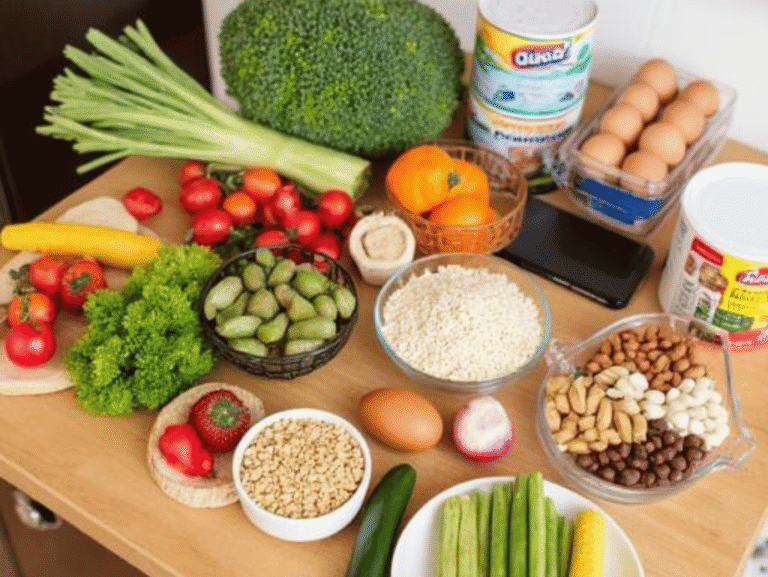

We all love to eat better the reason is not it’s healthier, but it makes us feel more energized, focused, and in control of our lives.
Although we know what to eat and better our health, most of the time we find ourselves grabbing whatever’s quickest in the fridge, or ordering takeout because it feels easier in the moment. It’s not that we don’t care about our health—but it shows that we struggle with meal planning.
Maybe so many times you’ve asked yourself:
Why does meal planning even matter?
Is it really that important to have a plan for my meals?
And if it is, how do I even start without making it complicated?
The fact is that you either create a plan for your meals—or you fall into the trap of letting last-minute decisions control you. And that’s usually when things go downhill: you overspend on groceries, you waste food you forgot you bought, or you cave into unhealthy options because they’re just easier in the moment.
Meal planning is one of the skills that can change your life in more ways than you can imagine. It is not only about having something healthy and tasty to eat, but also about saving time, minimizing stress, and food waste. However, meal planning can be daunting, particularly when you have a hectic schedule or are following a particular diet. The silver lining is that you can easily learn how to be a master of meal planning without having to lose your mind or your social life.
In this short tutorial, i will guide you through the steps of creating a meal plan that suits you, whether you are an experienced cook or a novice in the kitchen. We will discuss all the aspects of goal setting, realistic goals, recipes that suit your lifestyle and budget.
Lets get started:
Step 1: Inventory What You Have
The initial step in meal planning is to do an inventory of what you already have in your pantry, fridge and freezer. Not only does this ensure that you do not purchase things you do not need but also that you get to consume ingredients before they spoil.
This is how to do it
Make a Good Inventory Check: Begin by cleaning your pantry and straightening your shelves. Throw out anything expired or near expired. Combine things (e.g., grains, canned goods, spices) together so you can quickly see what you have at your disposal. Also remember to check your freezer and refrigerator.
Write an Ingredients List: When you are taking your inventory, list down all the ingredients that you have. This will act as a guide to the subsequent actions and prevent the purchase of duplicates.
Think About Your Objectives:Consider your eating habits, health objectives and any event that you may have. As an example, you may want to add more vegetables and legumes to your inventory list when you are attempting to eat more plant-based meals.
An inventory of your kitchen is a great way to start because it will make the process of meal planning streamlined and efficient. It is an important measure that saves you time and money as you will not overbuy and waste.
Mealime is a simple meal-planning app that helps you create personalized weekly meal plans and automatic grocery lists based on your diet and preferences.
Step 2: Select Your Weekly Core Meals
After you have a clear idea of what you already have, now is the time to pick your core meals of the week. These are the main meals that will make the core of your meal plan. It is important to select the correct meals as it will determine the rest of your planning and you will be using the ingredients you possess effectively.
Plan to Eat makes meal planning easier by letting you drag and drop recipes into a calendar and instantly generate a grocery list from your plan.
Find Multipurpose Recipes: Search recipes that can be adjusted to personal tastes and diets. As an example, a simple stir-fry recipe can be varied with different proteins and vegetables based on what you have on hand. Likewise, pasta can be prepared using various kinds of sauce and toppings to make it interesting.
Add One-Pot Wonders: Weeknight dinners are saved by one-pot meals. They have little cleanup and frequently can be made ahead. Think of soups, stews, casseroles, and skillet meals. Such kinds of dishes are not only convenient but also easy to adjust according to your inventory.
Variety Plan: Although you need to select versatile recipes, you should not forget about variety. Strive to have variety in tastes, textures, and cuisines so that your food is interesting and fulfilling. As an example, you may add a Mexican-inspired dish one day, a Mediterranean-inspired dish the next day, and a comfort food dish on a cold night.
Consider Special Diets: In case you or another member of your family has a certain diet (gluten-free, dairy-free, vegetarian, etc.), do not forget to include the meals that will meet these needs. Don t be limited by that, there are loads of tasty things that can suit most dietary restrictions.
Throw in a Few Favourites: Do not be afraid to add some of your favorite recipes. When you base your meals on what you like, it will be easier and more fun to follow through and not give up.
Through proper choice of your core meals, you will have a balanced and diverse meal plan that fits your lifestyle and preferences. Not only will this simplify your grocery shopping, but it will also be much easier and fun to cook during the week.
Step 3: Create a Weekly Meal Plan that is Flexible
Now that you have selected your core meals, it is time to plan them into a flexible weekly plan. The meal plan that you have carefully planned must be flexible enough to allow unforeseen changes in your schedule and yet give you structure and direction on what to eat everyday.
For people who enjoy having a visual overview of their week, Plan to Eat allows you to drag and drop recipes into a calendar-style meal planner, helping you see your entire week at a glance and adjust meals easily when plans change.
Make a Weekly Planner: Plan your week meals using a planner or a digital planner. Breakfast, lunch, and dinner is the most natural way of planning meals that most people can easily do, as well as snacks and treats that you may wish to incorporate. You may also plan meals on particular days as opposed to particular times of day.
Be Practical With Preparation Time: Think about the amount of time you can actually spend cooking every day. In case you are aware that you will be home late on some evenings, you should prepare such meals in advance or consider faster recipes. On the other hand, when you have more time on the weekends, you can spend a couple of hours on meal prep.
Use Leftovers to Your Advantage: The leftovers are an excellent means of food waste reduction and time-saving. Make sure you have one meal left over per week. As an example, you might make a large batch of chili on Monday and use it to make lunches all week.
Design in Flexibility: Life is unpredictable and it is prudent to put some flexibility in your meal plan. Do not plan each and every meal strictly, leave some space to spontaneity. As an example, you can set aside one day per week as an anything goes day or grab and go day, where you can decide to eat out, order in or just grab something easy in your pantry.
Snack and Treat Planning: And remember snacks and treats! These can be planned so that you do not feel like eating unhealthy foods in the middle of the day. Between meals, you can stay satisfied with simple snacks such as nuts, yogurt or fresh fruit.
Revise and Correct: After planning your meals through the week, go ahead and read through your plan. Do you have any gaps or areas you may need to change? Perhaps, you figure out that you should purchase some extra items or change a meal with something more appropriate. Do not be afraid to change to fit your needs.
You can establish a weekly plan of flexibility over meals and you are on the right track. It is a step that will help you have a clear plan of your meals and thus it will be easy to follow and adjust to any sudden changes. It is possible to have delicious and healthy meals every day with a bit of planning and organization and without the stress of what to cook.
Step 4: Develop Your Grocery List Based on the Plan (Not Based on the Impulse)
The actual planning of your meals is one half of the battle, but the other half is to do it effectively by making fewer trips to the grocery store and not buying things you do not need. One of the steps that can help you do this is to create a well-considered grocery list according to your meal plan.
When you want all your recipes, meal plans, and prep notes stored in one place, Paprika is especially helpful because it lets you save recipes from anywhere on the internet, organize them into catego
This is how it can be done
Know Your Needs: Pause to look at your meal plan before you even open your fridge or pantry. Be sure to know what ingredients you require in each dish. This consists of the principal ingredients and the seasoning or condiments that may be needed. A breakdown will save you the last-minute rush to the store to get a missing ingredient.
Organize Your List:Categorizing your grocery list can help your shopping experience to be easier and quicker. Typical categories are produce, meats, dairy, grains, snacks and miscellaneous items such as spices and oils. Putting similar things in the same place will make them easier to find in the store and less likely to forget something valuable.
Do Not Buy in Haste: The easiest way to keep to your budget and not fill your kitchen with things you do not want is to be very strict about your planned list. Although impulse buys may not appear to be a bad idea, it can easily accumulate and interfere with your meal planning. When you encounter something that looks good but you do not really need it, remind yourself of your objectives and put it off to a later shopping date.
Think of Quantity and Quality: Consider the number of ingredients you will require when compiling your list. As an example, when you are purchasing vegetables, think about how many you will actually eat before they spoil. Equally, you can buy better quality where it counts, like fresh herbs or special ingredients that make your dishes special.
Adjust Seasonally: Seasonal foods are usually fresher, tastier and cheaper. It may also be possible to add variety to your meals by using seasonal fruits and vegetables. Look at what is in season and make those a priority when making your list.
These steps will make your grocery shopping easier and you will not end up buying things you do not really need. This saves money as well as eases the preparation of meals during the week.
Step 5: Prep Ingredients in a single block of time (not every day)
The time to prepare meals on a daily basis is one of the greatest challenges to the consistent meal plan. The solution? Cooking and preparing food in batches and one big block of time. This plan does not only save time but also makes sure that you have ingredients that are ready to cook at your fingertips when you need them.
Take a Couple of Hours to Prep: Select a day in the week, say Sunday afternoon, when you can find some time to devote to meal preparation. This includes washing, cutting, marinating and dividing the ingredients into several meals. When all the ingredients are ready in advance, it is much less stressful to cook after a busy day of work.
Wash and Chop Produce: Begin by cleaning all your produce. Next, cut vegetables into equal sizes to have equal cooking times. Chopped vegetables should be stored in airtight containers in the fridge. This makes it convenient to pick up some ready-to-use veggies to make salads, stir-fry, or soup.
Marinate Proteins: In case you have proteins in your meal plan that are marinated, like chicken, fish, or tofu, you should plan to marinate them ahead of time. Put the proteins in a zip-top bag with your favorite marinade, seal tightly and refrigerate until you want to cook. This improves taste and saves valuable time at dinner.
Divide Meals: Divide cooked grains, proteins, and vegetables into separate containers into individual portions. Write the date and contents on them. The technique is especially helpful when it comes to preparing lunch, because you can just warm up a serving in the morning or the night before.
Store Properly: It is important to store your prepped ingredients properly so that they remain fresh. Put them in the right containers and seal them. The refrigerated products have to be consumed in a few days, whereas freezer products can be longer. Putting dates on the containers will allow you to monitor freshness and avoid waste.
Enjoy the Convenience: After you have prepared your ingredients, you will realize that cooking is easier and faster. You no longer have to spend hours in the kitchen every night, but only a couple of minutes to put your meals together. Not only does this save time, but also decreases stress and makes healthy eating more convenient.
If you like reviewing your eating habits over time or want to better understand how your meals align with your health goals, MyFitnessPal can help by tracking meals, portions, and nutrients so you can make small adjustments without completely overhauling your routine.
This is because when you set aside a time block to prepare meals, you are developing a cushion against the demands of everyday life so that you will never run out of healthy meals to eat. This is a method that does not only help you achieve your health objectives but also improves your general quality of life.
Step 6: Eat Leftovers and Intentionally Repurpose Them
Remaining food does not need to be a dull leftover. A little imagination and you can use last night’s dinner as lunch tomorrow or even a different dish.
This is how to make use of leftovers in a deliberate way to make your meal planning go a long way:
Evaluate Your Leftovers: Evaluate what is left at the end of every meal. Find out whether you can use it in another meal or you have to preserve it and use it later. Making a list of leftover ingredients and keeping it will help you plan further meals around them.
- Become New Dishes: A lot of leftovers may be turned into completely new dishes. For example:
- Soups and Stews: Put extra vegetables, proteins and grains into a pot of broth to make a filling soup.
- Salads: Fresh greens and dressings with leftover proteins and vegetables make a fresh salad.
- Meatballs or Meatloaf: The remaining meat can be ground and formed into meatballs or combined with breadcrumbs and spices to create a meatloaf.
- Frittatas or Quiches: Scramble eggs together with leftover vegetables and proteins to make a fast and satisfying breakfast or brunch dish.
Get Creative with Sauces and Seasonings: Do something with your leftovers to alter the flavor profile, such as adding a different sauce, seasoning, or marinade. As an example, transform leftover chicken into a Thai-style dish with coconut milk, curry paste and lime juice. Or use up extra pasta in a Mediterranean style with olive oil, garlic, cherry tomatoes and feta cheese.
Pre-Plan Leftovers: Make it a part of your weekly menu to use leftovers deliberately. An example is that, when you are certain that you have excess rice in one meal, then you can plan to have a stir-fry with it the following day. This means that you do not waste anything and makes your meals more diverse.
Store Properly: The quality of your leftovers is important to keep in proper storage. Put them in airtight containers and mark the date and contents. Remember that some foods such as rice and pasta can become dry when left too long. Consume leftovers within 3-4 days to ensure that they are as fresh as possible.
Join the Clean Plate Club: Train all your family members to complete their meals and minimize food waste, as well as eat mindfully. Show children how to be wiser with what they have left and teach them to be a good example to future generations.
When you adopt the creative reuse of leftovers, not only do you minimize waste, but also increase the diversity and pleasure of your meals. This deliberate practice will make your meal planning experience sustainable and delicious as every bite will count.
In this way, you will be able to turn over ingredients into new and exciting meals, saving time and money, and having a wide variety of tastes.
Step 7: Check and Tweak Weekly (Don t Forget)
Meal planning is an amazing time, money, and stress-saving strategy, but it is also necessary to understand that meal planning is not a universal solution. It will demand flexibility and adaptability so that you are not only following your plan but also enjoying the food you eat.
This is where the necessity to revise and change your weekly meal plan comes in.
Revising is Important: To begin with, a meal plan review will help you identify what was good and what was not. Perhaps you were in the mood to make something other than what you had intended, or you happened upon a new recipe that was a hit. Noting these successes and failures, you can make changes that will improve your meal planning process in the long term.
Secondly, life occurs and things beyond our control may happen to even the best laid plans. One week may begin well with all the meals planned out, but then, all of a sudden, you may have to change because of an impromptu dinner or an unexpected business trip. Taking a little time to look over your plan mid-week will allow you to make adjustments without throwing the whole schedule off.
Effective Reviewing:
1. Think of the First Few Days
After a couple of days of adhering to your eating plan, take some time to evaluate the progress. Questions like:
- Do I have any meals that I anticipate more than others?
- Do I eat enough vegetables?
- Should I add more protein or fiber?
- Did I like the assortment of tastes?
These thoughts will provide you with the information about your likes and nutritional requirements and will allow you to plan your future meals more efficiently.
2. Write Down Changes Required
As you consider, make notes of any alterations you believe can make the plan better. As an example, in case you realize you are not consuming enough greens, you can add more salad or leafy vegetables to your recipes. In case some meals do not seem attractive, consider replacing them with something you like better.
3. Add Family Member/Roommate Comments
Seasonal shifts may affect what you eat. Something that is good during the summer may not be so attractive during the winter. Monitor the seasonal vegetables and fruits and change your menu. Using seasonal ingredients, in addition to being more flavorful, also guarantees that you are consuming the nutrients that will be most useful to you at that time of year.
4. Cut Down on Portion Sizes and Calorie Needs
In case you realize that you are either losing weight or gaining weight without intending to, then you may need to adjust the portion sizes or caloric intake. This does not mean a radical reduction, but rather an attempt to balance your meals. Maybe you should have more vegetables or reduce carbohydrates a little.
5. Add Family Member or Roommate Comments
It can be very valuable to have the feedback of people you live with. Ask them what they did not like and liked about the meals. This method of collaboration will make everyone happy and interested in the process of planning the meal.
Making changes: After going through your plan and noting down the changes you need to make, do not stop there. Take action! Revise your grocery list, adjust your meal plan and be ready. Just keep in mind that the idea is to make a meal plan that is not against you.
This is something that you should make a habit of doing, and you will realize that you will be more intuitive with your meal planning and even enjoy it. Eventually, you will come up with a system that best suits your dietary requirements, cooking tastes, and lifestyle requirements. This constant improvement is the main ingredient in having a healthy, sustainable, and delicious meal habit.
To sum up, it is essential to adhere to a meal plan; however, it is also significant to be adaptable and open to what your body needs and your surroundings. Reviewing and making adjustments on a regular basis will keep your meal planning a positive and effective tool in your life. Therefore, do not leave this step, and prioritize it, and see your meal planning abilities turn into a real pro-level skill.