
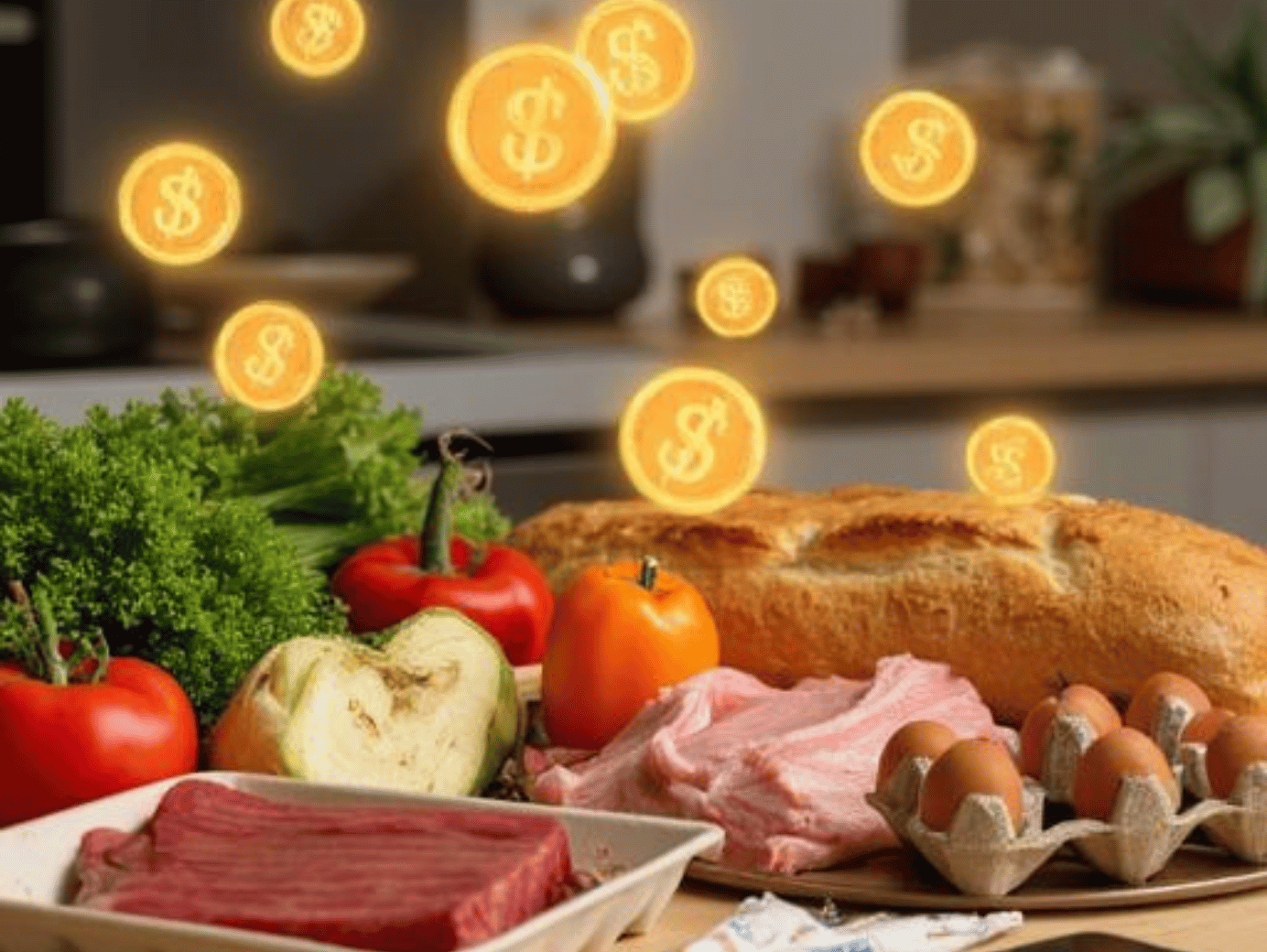
Grocery shopping has changed tremendously over the last two years. Normally, you walk into the store to buy the same foods you always eat, and somehow the total comes out higher than expected.
It is frustrating, right?
Most of the time, we tell ourselves that if we want to save money on groceries, we need to buy less, give up our favorite foods, or completely change the way we eat.
But that is not always true.
For me, finding simple ways to spend less without changing what I eat is always a priority. I do not want to feel like I have to sacrifice the meals I enjoy just to save money. And the good news is, you really do not have to.
How amazing is that?
With the right techniques, I believe you can lower your grocery bill, keep eating the meals you love, and feel a lot more in control of your budget.
So let’s get started.
1. START BY CHECKING WHAT YOU ALREADY HAVE
One of the easiest ways to cut your grocery bill is to stop buying food that is already sitting at home. Before you make a list, check the pantry first. Look at what is already there and what needs to be used up soon. Then check the fridge. After that, look through the freezer too.
This small habit helps you avoid buying duplicates like another bag of rice, a second carton of eggs, or more frozen vegetables you forgot you had. It also makes meal planning easier because you can build around food you already paid for.
That means less waste and lower grocery spending. Simple, right? A quick check before shopping can save more money than most people think.
2. MAKE YOUR GROCERY LIST MATCH WHAT YOU ACTUALLY EAT
Saving money does not mean you need to invent a whole new meal plan. In most homes, it works better to build a grocery list around the meals and foods people already eat on a regular week. Think about your usual breakfasts, lunches, dinners, snacks, and basics.
Start with familiar foods your household already buys. Then look for the extras that sneak onto the list but do not really need to be there. That might be random treats, duplicate items, or things bought just in case.
This keeps food habits familiar while lowering total spending. You are not rebuilding your kitchen from scratch. You are just tightening the list around what actually gets used. That makes grocery shopping feel easier, more realistic, and much less wasteful.
3. STOP SHOPPING WITHOUT A LIST
Shopping without a list usually costs more. It sounds harmless, but it often leads to impulse buys, forgotten basics, and extra spending. You walk in for a few things, then leave with random snacks, drinks, and items that looked good in the moment.
At the same time, you may forget the staples you actually needed. Then what happens? Another trip to the store. More time. More money. More chances to buy extra stuff again.
A list keeps your spending more controlled and more intentional. It gives you a clear plan before you walk in. That does not mean every trip has to be perfect. It just means you are less likely to spend based on mood, hunger, or whatever catches your eye first.
4. COMPARE UNIT PRICES, NOT JUST STICKER PRICES
The cheaper-looking item is not always the better deal. A lower sticker price can fool you if the package is smaller. That is where unit price helps. Unit price is the cost per ounce, pound, or item. It shows the real value, not just the number on the front of the package.
For example, one box may cost less, but another box may give you more food for less money per ounce. That is the better buy.
This is an easy habit once you start doing it. Most stores show the unit price on the shelf label under the main price. A quick glance can help you keep buying the same kinds of groceries for less. You are not changing what you eat. You are just getting better value for it.
5. USE LOYALTY PROGRAMS AND STORE DISCOUNTS MORE INTENTIONALLY
A lot of shoppers leave savings behind by ignoring store apps, loyalty cards, digital offers, and member prices. You do not need to become an extreme coupon person to save money. Just use the easy tools your store already offers.
Many stores give lower prices only to members. Some have simple digital coupons you can tap once before you shop. Others offer deals on things you already buy every week.
The point is not to chase every sale in the store. The point is to reduce the cost of your regular purchases. That is a big difference. Focus on the foods you normally buy, not random items just because they are marked down.
Used the right way, these tools make your normal grocery routine cheaper without making it more complicated.
6. CUT THE IMPULSE BUYS THAT QUIETLY RAISE THE BILL
Most grocery budgets are not broken by the core foods. They are often broken by the random extras that keep slipping in. Think about snacks you did not plan for, drinks grabbed on the way through, bakery treats, frozen convenience foods, or that one item that just looked good in the moment.
On their own, these things may not seem like much. But together, they raise the total fast. That is how a normal grocery trip turns into an expensive one.
This is not about judging every little treat. It is about awareness and control. When you notice the extras that quietly raise the bill, you can decide which ones are worth it and which ones are not. That small pause can save a lot over time.
7. BUY YOUR REGULAR FOODS WHEN PRICES ARE BEST
You do not need to change what you eat, but you may need to change when you buy certain things. That is where real savings can show up. If the foods you already use often go on sale, that is the time to stock up a little.
Maybe your usual pasta sauce gets marked down. Maybe chicken, cereal, yogurt, or coffee hits a good price. If you know your household will use it, buying extra at the right time makes sense. Some items can also be frozen, which helps stretch the savings even more.
This is not about changing your whole diet. It is about timing your purchases better. Buying your regular items when prices are best can lower the bill in a way that feels easy, practical, and natural.
8. PREVENT FOOD WASTE BEFORE IT BECOMES GROCERY WASTE
Wasted food is wasted grocery money. That is the simple truth. When food goes bad in the fridge or gets forgotten in the pantry, the money spent on it is gone too.
A good place to start is with leftovers and older items. Use what needs to be eaten first. Move older foods to the front where you can see them. Plan one meal around leftovers before cooking something new. These small habits help more than people expect.
You can keep eating the same foods and still save more by using what you already bought before it goes bad. Less waste means a lower grocery bill without changing the menu. That is what makes this approach so realistic. It is not about eating differently. It is about using your food better.
9. USE MEAL PLANNING TO ORGANIZE WHAT YOU ALREADY BUY
Meal planning does not have to mean a totally new menu with brand-new recipes and a full week of perfect cooking. For most people, it works better to think of meal planning as simple organization.
Look at the groceries you already buy and decide how you will use them through the week. That could mean planning when to cook the chicken, when to use the leftover rice, and when to fit in an easy freezer meal. Familiar groceries. Better structure.
This helps cut down on extra store trips because you already know what meals are covered. It also helps reduce waste because food is more likely to get used on time.
The goal is not to eat differently. The goal is to organize the same foods you already prefer so your grocery money goes further.
10. SHOP WITH MORE ATTENTION TO STORE LAYOUT AND CONVENIENCE TRAPS
Stores are designed to encourage extra spending. That is not your imagination. A lot of the highest-visibility spots are built to catch your eye and tempt you to add more to the cart.
Think about common traps like prepared foods, end caps, checkout snacks, and flashy displays placed in busy parts of the store. These items are often convenient, but convenience usually raises the bill. Pre-cut fruit, grab-and-go meals, or last-minute treats may save a few minutes, but they can cost a lot more.
Being aware of the layout helps you shop with more control. Stick to your list. Pause before adding items from display areas. Not everything put in front of you belongs in your cart. That one habit can make a real difference.
11. KEEP EASY ADD-ONS UNDER CONTROL
Sometimes the main groceries stay about the same, but the bill still climbs. Why? Because the add-ons start piling up. Sauces, drinks, desserts, pre-cut produce, seasoning packets, bottled coffee, and convenience extras can quietly push the total higher.
None of these items seem huge on their own. But together, they can add a lot to a grocery trip. That is especially true when they get added around the main groceries without much thought.
This is not about cutting out everything fun or useful. It is about trimming the extra cost around the food you already buy. Your main meals can stay the same while you get more careful with the side purchases that make the bill grow faster than expected.
12. REVIEW YOUR RECEIPT AND REPEAT WHAT ACTUALLY SAVES MONEY
One of the best ways to make grocery savings stick is to build a system you can repeat. That starts with looking at your receipt after each trip. A receipt shows your real spending patterns, not just what you think happened in the store.
You may notice which store gave you the best prices on your regular items. You may spot the snacks, drinks, or convenience foods that caused overspending. You may also see that better planning helped reduce waste at home.
That is useful information. Repeat what worked. Adjust what did not. Over time, this makes grocery saving easier because you are not guessing anymore. You are learning from your own habits.
That is how saving turns into a repeatable system instead of a one-time attempt that fades after a week.
Cutting your grocery bill does not always require eating differently. That is the biggest point to remember. You do not need a brand-new diet, a full pantry makeover, or a kitchen built around foods nobody actually wants to eat. For most people, the better path is much simpler than that.
The real savings usually come from better planning, less waste, smarter pricing, and fewer unplanned purchases. Those habits lower the total without making meals feel strange or forced. You keep buying the foods your household already enjoys. You just shop for them in a more thoughtful way.
That is what makes this so doable. It is not about being perfect. It is about making a few smart choices before, during, and after each grocery trip. Check what you have. Use a list. Watch the extras. Learn from your receipts.
Small changes can add up fast. And the best part? You can start using them right away, without feeling like your whole kitchen has to change.

![10[1]](https://dailyment.com/wp-content/uploads/2026/02/101-768x768.png)