7-DAY CHEAP MEAL PLAN IDEAS THAT ARE STILL HEALTHY
Did you know healthy eating can be cheap?
For me, that has always been one of the best things to learn in the kitchen. A lot of people think healthy meals must be expensive, complicated, or full of hard-to-find ingredients.
But that is not always true. With the right meal plan, you can eat good food, save money, and still enjoy what is on your plate.
It is so lovely when you find meals that are both cheap and healthy. That means less stress, better planning, and more control over your weekly food budget.
So in this post, I am going to share 7 day cheap meal plan ideas that are still healthy, simple, and worth trying this week.
DAY 1: START WITH SIMPLE STAPLES
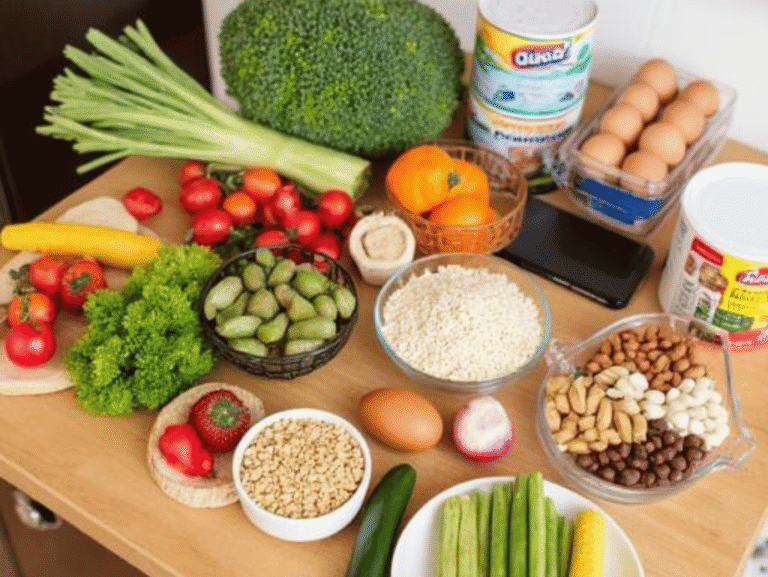
The first day should lean on simple staples like oats, eggs, rice, beans, and frozen vegetables. These foods show up again and again in budget meal plans because they are affordable, flexible, and easy to turn into real meals.
Oats can cover breakfast. Eggs can work for breakfast, lunch, or dinner. Rice and beans can become bowls, side dishes, or quick filling meals. Frozen vegetables help add color and balance without the pressure of fresh produce going bad too fast.
Simple foods do not mean weak meals. A bowl of oats with fruit can still be filling. Eggs with toast and frozen vegetables can still feel balanced. Rice, beans, and vegetables can still cover protein, fiber, and energy in one meal.
What this first day teaches is important. Healthy eating stays affordable when the base foods are simple. It also sets up ingredient reuse later in the week, which is what makes the whole plan work better.
DAY 2: USE ONE INGREDIENT IN MORE THAN ONE MEAL
Ingredient reuse is one of the easiest ways to make a cheap meal plan work. It means using the same food in more than one meal instead of buying separate ingredients for every breakfast, lunch, and dinner. For example, eggs can show up at breakfast, then again in a rice bowl later. Rice can work with dinner one night and become lunch the next day. Beans can go into wraps, bowls, or soups without feeling exactly the same each time.
This overlap keeps the grocery list cheaper because each ingredient works harder. It also cuts waste because food is less likely to sit in the fridge unused. The key is choosing foods that handle different meal styles well. Rice, eggs, beans, potatoes, yogurt, oats, shredded chicken, and frozen vegetables are all strong examples.
This day builds naturally from the staples in Day 1. The point is not to eat the same plate again and again. It is to use the same foods in slightly different ways so the week stays affordable without feeling dull.
DAY 3: KEEP LUNCHES EASY AND REPEATABLE
Lunch should stay easy in a budget meal plan. If lunch gets too complicated, people stop following the plan and start buying extra food instead. That is why repeatable lunches usually work best. Things like leftovers, rice bowls, wraps, soups, pasta leftovers, and easy packed meals tend to be the most practical.
Leftovers help lunch stay cheap because the food is already there. You are not building a second meal from scratch. That saves both money and effort. It also helps reduce waste because extra portions from dinner have a clear purpose instead of getting forgotten in the fridge.
Simple lunches lower stress too. When lunch is already handled, the day feels easier. That matters for busy people who do not have the energy to cook every meal from zero. This part of the week keeps the plan realistic. A budget meal plan should not only look good on paper. It should still work on a normal busy day.
DAY 4: USE CHEAP PROTEIN IN A HEALTHY WAY
Cheap protein can still make a meal feel balanced and strong. Eggs, beans, lentils, yogurt, canned fish, and budget-friendly chicken meals are some of the best examples. These foods matter because protein helps with fullness, makes meals feel more complete, and can stop cheap meals from feeling like they are all starch and no staying power.
The trick is using lower-cost proteins in smart ways. Beans and lentils work well in soups, bowls, and simple stews. Eggs can anchor breakfast or become a quick dinner. Yogurt can cover breakfast or snacks. Canned fish can stretch into sandwiches, rice bowls, or salads. Even a smaller amount of chicken can still work when the meal is built around rice, potatoes, vegetables, or pasta.
This day teaches an important lesson. Healthy eating does not need expensive proteins in every meal. It connects right back to the staple-food mindset from earlier in the week. Simple low-cost foods can still build meals that are filling, practical, and balanced enough to keep the plan working.
DAY 5: LET LEFTOVERS SAVE TIME AND MONEY
Leftovers should be part of the strategy, not an accident. In a cheap meal plan, they are one of the easiest ways to save both money and energy. Cooking once and eating twice is not lazy. It is efficient.
Meals that turn into good second meals usually include soups, pasta dishes, rice bowls, roasted vegetables, cooked beans, shredded chicken, casseroles, and simple skillet meals. These foods reheat well and usually still taste good the next day. That matters because leftovers only help when people actually want to eat them again.
This day helps cut food waste because it gives yesterday’s meal a clear purpose. Instead of forgotten containers sitting in the fridge, leftovers become the plan. That makes the whole week easier to manage. You cook less, spend less, and waste less. For a cheap and healthy meal system, that is a big win. A week gets much easier when every meal does not need to start from zero.
DAY 6: KEEP HEALTHY MEALS FAST, NOT FANCY
Fast meals matter because real life gets tiring, especially later in the week. A budget meal plan that depends on complicated cooking usually falls apart when energy gets low. That is why healthy meals need to stay fast, not fancy.
Quick meals can still be balanced. Eggs and toast with fruit, rice with beans and frozen vegetables, pasta with a simple protein, yogurt with oats and fruit, baked potatoes with toppings, or a fast stir-fry can all work well. The goal is not to impress anyone. The goal is to get a decent meal on the table without spending too much time or money.
Simple cooking protects the plan. When meals stay easy, people are less likely to order takeout or grab random food that costs more. This day matters because it helps prevent burnout late in the week. A cheap meal plan should feel possible on the days when you are tired too, not just on the days when cooking sounds easy.
DAY 7: FINISH THE WEEK BY USING WHAT IS LEFT
The last day should focus on using what is left. That is one of the best ways to stretch the grocery budget and turn the whole week into a repeatable cycle. By the end of the week, there are usually bits of rice, extra eggs, half a bag of frozen vegetables, leftover beans, a few potatoes, some yogurt, fruit that needs using, or small amounts of cooked food still around.
These foods may not look like much on their own, but together they can still make one more real meal. That might mean a leftover bowl, a soup, a stir-fry, a potato meal, a pasta dish, or a mixed lunch plate. The point is not to make a perfect meal. The point is to make a useful meal.
This habit lowers waste and helps the grocery budget go further. It also closes the week in a smart way. Instead of starting over from scratch every time, the plan becomes a cycle of buying, using, reusing, and finishing well.
FOODS THAT MAKE THIS KIND OF MEAL PLAN WORK
Certain foods keep showing up in budget meal plans for a reason. They are affordable, flexible, and easy to turn into filling meals without needing much help. Oats, eggs, rice, beans, lentils, pasta, potatoes, frozen vegetables, yogurt, and simple fruits are some of the strongest examples.
What makes them so useful is not just price. It is range. Oats can be breakfast or snacks. Eggs can fit any meal. Rice, beans, lentils, and pasta stretch dinner without making it feel too small. Potatoes are cheap, filling, and flexible. Frozen vegetables help add balance without spoiling too fast. Yogurt and fruit work for breakfast, snacks, or simple sides.
These foods help meals stay filling instead of repetitive because they can be mixed and matched in different ways. This section shows the bigger pattern behind the week. Cheap healthy eating usually works best when a few strong staple foods carry most of the plan instead of trying to make every meal completely different.
HOW TO KEEP THE WEEKLY COST LOW
The habits that lower the weekly cost the most are usually simple ones. Reusing ingredients, cooking basic meals, using leftovers, avoiding waste, and buying staples that can stretch across several meals matter more than clever grocery tricks. That is the real system.
Ingredient reuse matters because it keeps the grocery list tighter. One bag of rice, one carton of eggs, one tub of yogurt, one bag of oats, one pack of frozen vegetables, and one simple protein can support several meals across the week. That is much stronger than buying separate ingredients for every recipe.
Waste reduction protects the grocery budget because wasted food is wasted money. The less food that gets forgotten, the more useful every grocery trip becomes. Simple cooking matters too. Trying to be creative every day often makes the plan harder to follow and more expensive to keep up with.
When these habits work together, one cheap week turns into a longer-term system. That is the bigger goal. Not one perfect week. A repeatable routine that keeps meals affordable, balanced, and realistic over time.
Cheap meals do not work best when you guess your way through the week. They work better when the week has a plan. That is the big lesson here. Healthy meals can still feel balanced and filling when they are built around simple staple foods, smart ingredient reuse, and repeatable habits.
The real savings do not come from one clever trick. They come from doing a few useful things over and over. Plan the week. Reuse ingredients. Use leftovers. Keep meals simple. Finish what you already bought.
That is what makes this kind of meal plan practical. It can become a simple system you use again, not just a one-time idea. And that is usually what makes healthy eating on a budget easier to keep up with.