19 THINGS TO DO TO LIVE SUPER CHEAP IN 2026
Living cheaply in 2026 is not as easy as it used to be.
Why? Because the cost of everyday life is still putting pressure on people’s wallets. In the United States, consumer prices rose 2.7% in 2025, while food prices increased 3.1%, according to the U.S. Bureau of Labor Statistics.
On top of that, a 2026 Bankrate report found that 60% of Americans are uncomfortable with their emergency savings, which shows how many people still feel financially stretched.
That exactly tells you how important it is to find simple ways to spend less and live smarter in 2026. Especially when prices keep rising.
So in this post, I will share 19 practical things you can do to live super cheap in 2026 without making your life miserable. These ideas are simple, realistic, and easy to follow, so you can save more money, reduce stress, and make your budget work better for you.
1. TRACK WHERE YOUR MONEY ACTUALLY GOES
The first step is simple. See the truth. Before you try to cut costs, you need to know where your money is really going. A lot of people feel like they are already being careful, but small leaks are easy to miss when spending is not tracked clearly.
Maybe it is extra snacks, delivery fees, app purchases, or random stops at the store. On their own, they do not look huge. Together, they can do real damage. Many leaks stay hidden at first until everything is written down.
That is why tracking comes first. It is the base habit under all the others. When you know the truth, better choices get much easier.
2. BUILD MEALS AROUND WHAT YOU ALREADY HAVE
Before you buy more food, check your pantry, fridge, and freezer first. You may already have more to work with than you think. A half bag of rice, frozen vegetables, eggs, pasta, canned beans, or leftover chicken can turn into real meals.
Using what is already at home first is one of the fastest ways to save money. It also helps stop food from getting pushed to the back, forgotten, and thrown away later.
This habit cuts waste and lowers grocery spending fast. Instead of always starting from the store, start from your kitchen. It is simple, practical, and it makes cheap living a lot easier.
3. MEAL PLAN BEFORE YOU SHOP
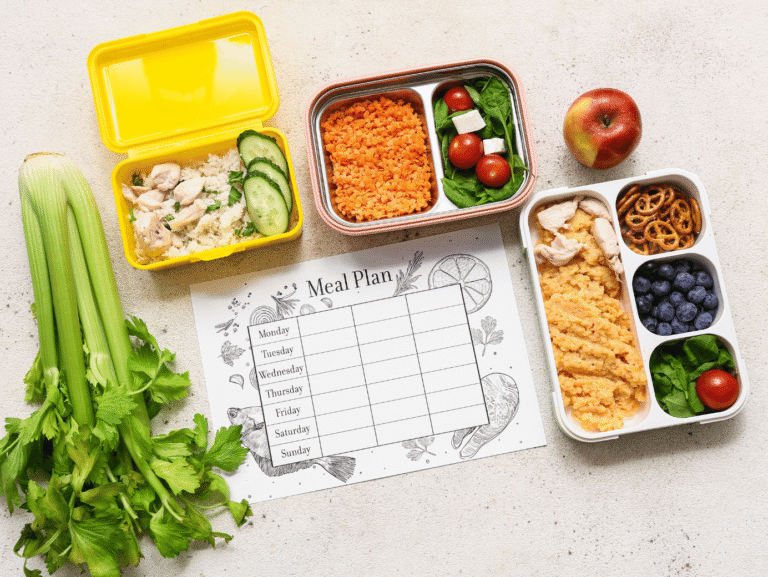
Meal planning is one of the easiest ways to live cheaper because it cuts random grocery spending, reduces takeout, and helps stop wasted food. When you know what meals you are making for the week, you buy with a reason instead of guessing in the store.
That matters more than people think. Without a plan, it is easy to grab extra items, forget ingredients, or give up and order takeout later.
Keep it simple. Pick a few easy meals, use ingredients in more than one dish, and build around what you already have. You do not need a perfect plan. You just need enough structure to make shopping and eating at home easier.
4. CUT BACK ON TAKEOUT AND CONVENIENCE FOOD
Takeout, delivery, and convenience food can raise your living costs without feeling obvious at first. A breakfast sandwich here, a delivery dinner there, a few ready-made snacks, and suddenly the week costs way more than expected.
It is not about never doing it. It is about noticing how fast convenience adds up. Pre-cut fruit, single-serve snacks, frozen meals, and food delivery fees all cost extra for saving a little time.
There is nothing wrong with using convenience sometimes. But when it becomes a regular habit, it quietly eats into the budget. Cutting back even a little can make a real difference without feeling extreme.
5. BUY MORE STORE BRANDS
Living super cheap often has less to do with giving things up and more to do with buying smarter. Store brands are a good example. In many cases, they do the same job as name brands but cost less.
That matters most at the grocery store, where small price gaps show up again and again. Pasta, cereal, milk, canned goods, bread, spices, and cleaning supplies can all be cheaper without changing your whole meal plan.
You do not have to switch everything at once. Just compare a few basics and test what works for you. It is a simple move, but it can lower grocery costs without making life feel smaller.
6. CANCEL UNUSED SUBSCRIPTIONS
Take a close look at your recurring charges and cut what you are not really using. That includes streaming services, apps, memberships, game passes, cloud storage, and anything else charging you every month.
A small monthly cost can look harmless. But over time, a few of them turn into a much bigger number. That is money leaving your account whether you notice it or not.
This is one of the easiest savings wins because you do not need to change your whole routine. You just stop paying for things that are not helping you enough. Start with the obvious ones, then check your bank statement for the sneaky ones too.
7. STOP LETTING SMALL IMPULSE PURCHASES SLIDE
Cheap living is often won or lost in small daily decisions. A coffee on the way out, a snack at the gas station, a cheap app purchase, or one random extra in the cart may not seem serious. But when it keeps happening, it becomes a pattern.
That is the real problem. Small purchases feel easy to excuse because each one is small. But over days and weeks, they quietly stack up.
This is not about guilt. It is about paying attention. Ask yourself, How often am I doing this And is it worth the total Those tiny extras can say a lot about where your money is really going.
8. USE A GROCERY LIST AND STICK TO IT
Shopping without a list usually leads to overspending. You walk in for a few basics and come out with snacks, extras, and things that looked good in the moment. That is how grocery costs drift higher without much thought.
A list gives your shopping trip a limit. It helps cut extra purchases because you already know what the plan is before you enter the store.
Keep it simple and direct. Write down what you need for meals and household basics, then stick to it. This one habit gives you better grocery control right away. Less guessing. Less grabbing. Less waste.
9. LOWER YOUR FOOD COSTS WITH CHEAPER STAPLES
Some foods make cheap living much easier because they are filling, flexible, and low cost. Rice, pasta, oats, beans, lentils, potatoes, eggs, and frozen vegetables are good examples. They can stretch across a lot of meals without blowing the budget.
You can build soups, bowls, stir-fries, pasta dishes, breakfasts, and simple dinners around them. That is what makes them useful. They work in many directions and help you feed yourself without spending big.
Cheap staples are not fancy, but they do the job. They help you make meals that are steady, practical, and affordable. When your kitchen has a solid base, grocery spending gets easier to control.
10. CUT ONE BIG MONTHLY BILL FIRST
Do not spend all your energy chasing tiny savings while a major bill keeps draining your budget every month. Small cuts help, but bigger wins usually come from the biggest recurring costs.
Look at things like rent, transport, insurance, or internet. Could you get a cheaper plan. Share a cost. Negotiate a rate. Change a routine. One reduced big bill can matter more than dozens of tiny cuts put together.
That is why this step matters so much. A single large cut can change your budget faster and give you breathing room right away. Start with the expense that hurts the most each month. That is often where the biggest progress lives.
11. WATCH FOR FEES THAT QUIETLY WASTE MONEY
Overdraft fees, late fees, ATM charges, interest charges, and random bank fees can make life more expensive without giving you anything useful back. This is not meaningful spending. It is just money leaking out.
That is what makes it frustrating. You are paying more, but getting nothing better in return.
Check your accounts and bills for common fee problems. Late payment charges and overdraft hits are easy to miss until they become a pattern. Cutting these is one of the cleanest ways to save because it is wasted money, plain and simple.
12. MAKE COFFEE, SNACKS, AND LUNCH AT HOME MORE OFTEN
A few repeated habits done at home can lower weekly spending without changing everything else. Coffee is a big one. So are quick lunches, bottled drinks, and grab-and-go snacks.
You do not have to do it perfectly. Just do it more often. Pack lunch a few extra days. Make coffee before leaving. Keep easy snacks at home so you are not always buying them out.
These small home habits can lower weekly costs more than people expect because they happen so often. The goal is not to become strict. It is to make everyday spending a little lighter in ways that actually fit real life.
13. TRY A NO-BUY PANTRY WEEK
A pantry week means you try to make meals mostly from the food you already have at home instead of doing a normal grocery run. You use what is in the pantry, fridge, and freezer first, then buy only the bare minimum if needed.
This kind of short challenge can reset grocery habits fast. It pushes you to notice what you already have and stops the habit of buying more before using up what is there.
It also saves money and cuts food waste at the same time. Even one pantry week can help you shop better later because it changes how you look at the food you already paid for.
14. USE CASH OR A HARD SPENDING LIMIT FOR PROBLEM AREAS
Some spending categories are easier to control when the limit is clear and visible. That is why cash or a hard spending cap can work so well. When the money is right in front of you, it feels more real.
This works especially well for problem areas like food extras, shopping, and fun spending. If those categories tend to run wild, give them a set amount for the week and stop there.
Visible limits help because they remove some of the guessing. You know what you have left. You know when you are done. It is simple, practical, and much easier to follow than vague promises to spend less.
15. PLAN ERRANDS TO SAVE TRANSPORT MONEY
Cheap living is tied to daily routine more than people think. Random trips cost money in ways that are easy to ignore. Fuel, bus fare, parking, and even quick stops that lead to impulse buys can all pile up.
That is why planning errands matters. Group your trips together. Go out once instead of three times. Think ahead before heading out for one small thing.
Fewer random trips can lower transport costs and reduce the chance of spending extra while you are out. It is a simple habit, but it helps keep both travel costs and surprise purchases under better control.
16. BORROW, REUSE, OR BUY USED MORE OFTEN
Living super cheap often means spending less on everyday items by avoiding full-price buying when you can. That can apply to clothes, books, furniture, kitchen items, tools, kids’ stuff, and all kinds of home gear.
A lot of things do not need to be brand new. You may be able to borrow them, reuse something you already own, or buy them used for much less.
This is not about never buying new. It is about realizing full price is not always necessary. A secondhand table can still work. A used book still reads the same. A borrowed tool still gets the job done. That mindset can save a lot over time.
17. KEEP ENTERTAINMENT CHEAP
Cheap living does not mean no fun. It just means finding lower-cost ways to enjoy yourself instead of always paying for entertainment.
That could mean using the library, going to free local events, having movie nights at home, taking walks, hosting simple dinners, or picking hobbies that do not cost much to keep up. Fun does not always need a ticket, a subscription, or a big spending plan.
This is one area where mindset matters a lot. When you stop linking fun with spending, your budget feels less tight. You can still enjoy life. You are just choosing options that cost less and still feel good.
18. AUTOMATE SAVINGS FROM EVERY PAYCHECK
Cheap living works better when some of the money you save gets moved automatically before you can spend it by accident. That is where automation helps. It takes the pressure off memory and self-control.
Even a small automatic transfer can make a difference. Once the money moves first, it is less likely to disappear into random spending later. What you do not keep staring at, you are less likely to use.
Keep it simple. Pick a small amount from every paycheck and send it to savings right away. You can always raise it later. The point is to build a system that helps your progress stick without making it feel hard.
19. REVIEW YOUR SPENDING EVERY MONTH
Living super cheap is not one decision. It is a system. A short monthly review helps keep that system working. You do not need anything fancy. Just sit down, look over your spending, and notice what is improving, what is slipping, and where the next savings can come from.
That check-in matters because habits drift. Bills change. Small leaks come back. What worked last month may need a small fix this month.
The goal is not perfection. It is progress. A simple review helps you catch problems early and stay more intentional with your money. Over time, that steady habit matters more than one perfect week ever will. Keep it honest. Keep it short. Keep it going.
Living super cheap in 2026 is usually not about extreme sacrifice. It is more about cutting waste, planning better, and being more intentional with the costs that keep showing up month after month. That is where the biggest difference usually happens.
Food choices matter. Bills matter. Subscriptions matter. Transport habits matter. The small daily extras matter too. When those recurring costs stay unchecked, money disappears fast. When you get more intentional with them, things start to feel lighter.
The good news is that you do not have to do everything at once. Start with a few practical habits that make everyday spending easier to control. Track your money. Plan meals. cut unused subscriptions. Lower one big bill. Review your spending each month.
That is how cheap living becomes realistic instead of miserable. Not by making life smaller on purpose, but by being smarter with what you already have. Keep it simple. Keep it steady. Small changes repeated over time can do a lot.