12 MEAL PLANNING TIPS FOR MEN WHO CAN’T COOK
This post may contain affiliate links. Please read our disclosure policy for more information.
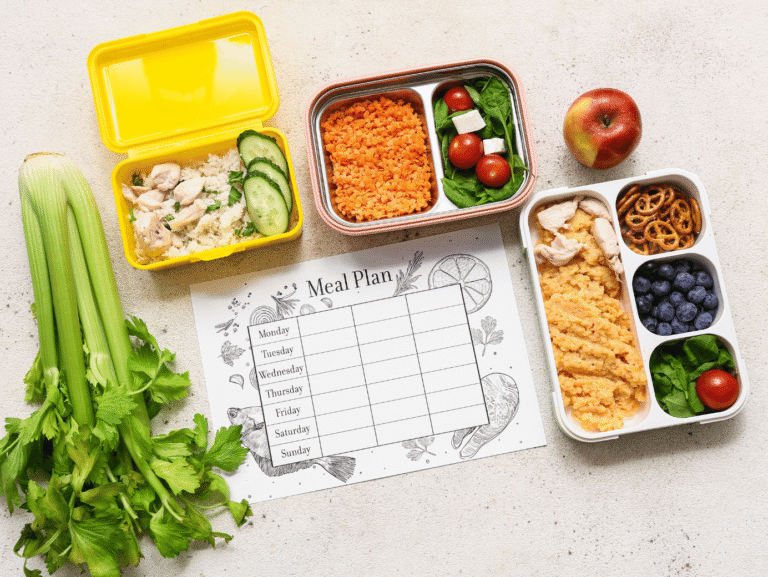
Meal Planning is the fastest way to stop the nightly “what am I eating?” panic—especially if your cooking skills top out at toast and vibes.
If you’ve ever opened the fridge, stared into the void, then somehow ended up spending too much on takeout… yeah, this fixes that.
Meal planning doesn’t ask you to become a chef. It just gives you a simple system so you eat better, spend less, and stop making dinner decisions while hungry (which never ends well).
And no, you don’t need complicated recipes, fancy spices, or a personality makeover. You need repeatable meals, a short grocery list, and a couple of emergency backups.
If you want a super quick method that takes basically no brainpower, steal this idea: how to meal plan for a whole week in just 10 minutes.
In this post, discover 12 meal planning tips for men who can’t cook that will help you build a realistic weekly plan, shop faster, and actually follow through.
We’ll keep it practical, a little opinionated, and very forgiving.
Because the goal isn’t “perfect meals.” The goal is less stress and more food that makes sense.
Let’s get you eating like a functional adult—without turning your kitchen into a war zone.
1) PICK “LOW-FAIL” MEALS, NOT “IMPRESSIVE” MEALS
You don’t need meals that look good on Instagram. You need meals you can’t mess up.
So build your week around low-fail foods: stuff you can assemble, heat, or cook in one pan.
If a recipe has 19 steps and uses words like “fold gently,” it doesn’t belong in your life right now.
Start with meals that work even when you feel tired, busy, or mildly annoyed.
Your plan should survive a bad day.
2) USE THE 2–2–2–1 FORMULA SO YOU STOP OVERTHINKING
Decision fatigue ruins meal planning faster than anything.
So don’t “plan meals.” Use a formula:
- 2 no-cook / heat-and-eat dinners
- 2 assembly dinners (you build them, not “cook” them)
- 2 one-pan or one-pot dinners
- 1 leftovers night
That’s seven dinners with almost zero mental gymnastics.
This is meal planning for real life, not a cooking show.
3) BUILD A “REPEAT INGREDIENTS” GROCERY LIST
Most beginner plans fail because the groceries don’t connect.
You buy random ingredients for random recipes… and then they rot in the fridge like expensive regrets.
Instead, buy ingredients that remix into multiple meals:
- Tortillas → wraps, tacos, breakfast burritos
- Rice → bowls, stir-fry, side dish
- Eggs → breakfast, dinner, emergency protein
- Bagged salad → side, base for chicken salad, quick lunch
When you repeat ingredients, you save money and you actually use what you buy.
Less variety = more follow-through.
4) PLAN AROUND “ASSEMBLY MEALS” (THE SECRET WEAPON)
If you can open containers and stack ingredients, you can eat well.
Assembly meals feel like cooking, but they don’t demand cooking skills.
Good options:
- Tacos (protein + tortillas + toppings)
- Rice bowls (rice + protein + sauce)
- Big salad + rotisserie chicken
- “Snack plate dinner” (cheese, crackers, fruit, nuts, veggies)
Assembly meals also help you avoid the “I’m starving so I’ll order something dumb” moment.
They’re simple, fast, and weirdly satisfying.
5) KEEP TWO “NO-COOK” NIGHTS ON PURPOSE
Some nights you won’t cook. You won’t “push through.” You’ll just… not.
So plan for it instead of pretending you’ll feel motivated at 7:30 p.m.
No-cook / heat-and-eat ideas:
- Rotisserie chicken + bagged salad + bread
- Yogurt bowl + fruit + granola
- Wrap + hummus + carrots
- Microwave rice + canned beans + salsa + cheese
When you plan these, you stop treating takeout like your emergency plan.
You don’t need more willpower. You need backups.
6) OUTSOURCE GROCERIES WHEN SHOPPING MAKES YOU GO OFF THE RAILS
If you walk into a store for “chicken and rice” and walk out with chips, cookies, and one sad lemon… you’re not alone.
Online ordering helps because you stick to the list and dodge impulse buys.
If you want the easiest “I’ll just get the basics” option, use grocery delivery through Instacart’s homepage and build a saved cart of your weekly staples.
Saved carts make meal planning feel automatic.
The fewer decisions you make in the store, the better you eat at home.
7) COOK TWICE, EAT SIX TIMES (LEFTOVERS ARE YOUR FRIEND, SORRY)
Some people hear “leftovers” and act like you insulted their bloodline.
But if you can’t cook, leftovers become your cheat code.
Cook two bigger meals that hold up well, then eat them multiple times:
- Chili
- Pasta bake
- Sheet-pan chicken/sausage + veggies
- Stir-fry with rice
You reduce cooking nights without living on frozen pizza.
This is efficiency, not suffering.
8) USE MEAL KITS AS “TRAINING WHEELS” (WHEN YOU NEED THEM)
Meal kits help when you want to eat at home but you hate planning and guessing portions.
They give you ingredients and steps without the chaos of shopping for 14 different things.
If you want the most beginner-friendly “just tell me what to do” vibe, start with HelloFresh’s homepage.
If you want variety that still feels simple and manageable, try Home Chef’s homepage.
And if you want meals that lean “easy but actually good,” check out Blue Apron’s homepage.
Meal kits won’t replace learning forever, but they make the learning curve way less annoying.
They turn cooking into steps, not stress.
9) WRITE A WEEKLY “DINNER MENU” AND PUT IT WHERE YOU CAN SEE IT
A plan you can’t see becomes a plan you forget.
Put your weekly dinners somewhere obvious:
- A note on the fridge
- A whiteboard
- A sticky note by your keys
- A pinned note on your phone
When you see the plan, you follow the plan.
When you don’t see it, you’ll “figure it out later,” which always turns into chaos.
Visibility beats motivation every time.
10) MAKE 3 EMERGENCY MEALS NON-NEGOTIABLE
You need a “break glass in case of hunger” lineup.
Pick three meals you can make with pantry/freezer basics and keep them stocked:
- Frozen dumplings + frozen veggies
- Eggs + toast + fruit
- Rice + beans + salsa + cheese
Now when your day explodes, you still eat at home.
This stops takeout from becoming your default.
Emergency meals aren’t failure. They’re strategy.
11) USE A MEAL PLANNING APP IF YOUR BRAIN HATES ORGANIZING
Some people love writing lists. Some people’s brains immediately delete lists.
If you fall into the second category, use an app so it does the organizing for you.
A dedicated planner can help you pick recipes, build a shopping list, and repeat weeks you already liked.
If you want a meal planning tool designed to make planning easier (especially when you want structure), look at Real Plans’ homepage.
Apps make it easier to stay consistent because you stop reinventing the wheel every week.
Consistency wins, not culinary talent.
12) BUY ONE DECENT TOOL THAT MAKES COOKING LESS ANNOYING
You don’t need a fancy kitchen. But one good tool can remove a lot of friction.
A sharp knife and a solid pan can turn cooking from “ugh” into “fine, I can do this.”
If you want quality kitchen gear that lasts and feels good to use, browse ZWILLING’s homepage.
When tools work well, you cook more.
When tools suck, you avoid cooking and blame yourself (unfairly).
Make the kitchen easier, and you’ll use it more.
Also, if you want an even more forgiving system built for beginners, pair this post with how to meal plan when you’re bad at cooking.
Meal planning doesn’t require cooking talent—it requires a simple system you can repeat without thinking too hard.
Start with low-fail meals, use the 2–2–2–1 formula, and shop with repeat ingredients so your groceries actually turn into dinners.
Add two no-cook nights, keep three emergency meals ready, and stop pretending you’ll feel inspired every evening.
When you make the plan visible and forgiving, you’ll stick to it—and you’ll spend less money doing it.
Your kitchen doesn’t need to become your personality. It just needs to feed you consistently.
Now go plan your week and enjoy the weirdly powerful feeling of not panicking at dinner time.