11 WAYS FAMILIES CUT GROCERY BILLS WITHOUT EATING “SAD FOOD”
This post may contain affiliate links. Please read our disclosure policy for more information.
Grocery bills are the sneakiest budget thief because they don’t feel dramatic… until your receipt looks like a car payment.
And when you’ve got a family, the pressure gets real fast: everyone’s hungry, everyone’s picky, and nobody wants “rice and regret” for dinner.
The good news: you can cut spending without cutting joy, flavor, or your will to live.
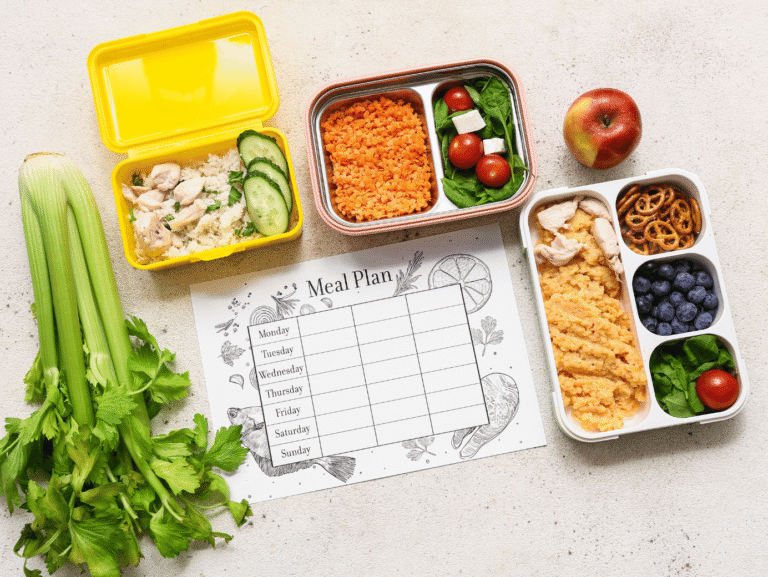
A big part of this is planning meals in a way that doesn’t take your whole Sunday—this guide on how to meal plan for a whole week in just 10 minutes is a solid shortcut if you’re busy (or allergic to overthinking).
Also, the fastest “easy win” for many families is switching to store brands, bulk staples, and predictable weekly re-stocks from a low-price retailer like Walmart’s online grocery homepage.
In this post, you’ll discover 11 ways families cut grocery bills without eating “sad food”, including the small habits that make a big difference and the smart swaps that still feel like real meals.
No extreme coupon binders. No weird diet rules.
Just practical moves that keep the fridge full and the budget calm.
STOP PAYING “CONVENIENCE TAX” WITHOUT REALIZING IT
1) BUILD A “REAL LIFE” MEAL PLAN (NOT A FANTASY ONE)
Most grocery overspending starts before you even hit the store.
If your plan assumes you’ll cook like a Food Network finalist on a Tuesday night… yeah, you’ll “accidentally” order takeout.
Instead, plan for your actual week: work, school, chaos, and the random day someone forgets to thaw chicken.
Try this simple structure:
- 2 easy wins (sheet pan, tacos, big salad + protein)
- 2 leftovers-on-purpose meals (chili, pasta bake, curry)
- 2 fast backups (eggs + toast, frozen dumplings + veg, tuna melts)
- 1 “clean out the fridge” meal (stir-fry, fried rice, soup)
Key takeaway: A realistic plan saves more money than a perfect plan you won’t follow.
2) SHOP ON A “DEFAULT LIST” (SO YOU’RE NOT STARTING FROM ZERO)
Families who save consistently don’t reinvent the grocery list every week.
They keep a default list of staples that covers breakfasts, lunches, snacks, and 2–3 dinners.
Then they rotate a few fun meals based on sales or cravings.
Your default list might include:
- Oats, rice, pasta, tortillas
- Eggs, yogurt, chicken thighs, beans
- Frozen veggies, onions, garlic
- Peanut butter, canned tomatoes, broth
- Fruit that won’t self-destruct in 48 hours (apples, oranges, bananas)
Key takeaway: A default list prevents “wandering purchases,” which is a polite way of saying “impulse shopping.”
MAKE THE STORE WORK FOR YOU (NOT THE OTHER WAY AROUND)
3) BUY INGREDIENTS, NOT “ONE-USE PRODUCTS”
One-use items feel convenient, but they’re often budget traps.
Instead of buying five different sauces, buy a few “mix-and-match” basics that turn into many meals.
Examples that stay delicious:
- Greek yogurt → sauces, marinades, breakfast, baking
- Tortillas → wraps, quesadillas, breakfast burritos, pizza base
- Canned beans → salads, tacos, soups, mash for dips
- Frozen veg → stir-fries, omelets, pasta, side dishes
Key takeaway: Versatile ingredients keep meals interesting without multiplying your spending.
4) SWITCH TO “CHEAP BUT NOT BORING” PROTEINS
This is where most people mess up.
They cut protein too hard, meals feel sad, then everyone raids the pantry for snacks like raccoons with Wi-Fi. :/
Try these budget-friendly proteins that still feel like a real dinner:
- Chicken thighs (more flavor than breasts, usually cheaper)
- Eggs (breakfast-for-dinner saves lives)
- Canned tuna or salmon (tuna melts, pasta, rice bowls)
- Beans + lentils (tacos, chili, curry—spices do the heavy lifting)
- Ground turkey/pork (stretch with veggies and rice)
Make it tasty with bold flavor: cumin, smoked paprika, garlic, lemon, soy sauce, hot sauce.
Key takeaway: Protein keeps everyone full, which quietly reduces snack spending.
5) DO ONE “BULK COOK” A WEEK (AND DON’T CALL IT MEAL PREP IF YOU HATE THAT WORD)
You don’t need seven identical containers of chicken and broccoli.
You just need one batch of something flexible that becomes multiple meals.
Easy bulk cooks that don’t feel repetitive:
- Taco meat (use for tacos, bowls, nachos, stuffed sweet potatoes)
- Shredded chicken (sandwiches, soup, wraps, pasta)
- Big pot of beans/lentils (bowls, salads, curry, chili)
- Roasted veggies (side dish, omelets, pasta add-in, wraps)
If you want the groceries delivered when life gets hectic (and you’re less tempted to “grab random extras”), using Instacart’s grocery delivery homepage can help you stick to your list.
Key takeaway: One bulk cook reduces stress and reduces spending—because convenience stops costing you extra.
CUT WASTE LIKE A PRO (THIS IS WHERE THE REAL SAVINGS HIDE)
6) MASTER THE “EAT THIS FIRST” SHELF
Food waste is basically you throwing cash into the trash can and then paying for the bag.
Create an “Eat This First” shelf or bin in the fridge.
Put anything perishable there: opened yogurt, half a pepper, leftover rice, spinach that’s getting dramatic.
Then set a rule: one person checks it before asking, “What’s to eat?”
Key takeaway: Visibility prevents waste. Out of sight = expired.
7) PLAN TWO “LEFTOVER REMIX” MEALS (SO LEFTOVERS DON’T DIE IN THE FRIDGE)
Leftovers fail when they feel like punishment.
So stop serving them as-is and start remixing them.
Examples:
- Leftover chicken → quesadillas + salsa
- Leftover rice → fried rice with eggs + frozen veg
- Leftover veggies → omelet or pasta toss
- Leftover chili → chili dogs, chili nachos, baked potato topper
If you want more grocery-saving strategies that don’t rely on coupons, this post on grocery tips to instantly save $100 every shopping trip pairs really well with the remix method.
Key takeaway: Leftovers save money only if you actually eat them.
8) BUY “FROZEN ON PURPOSE” SO YOU’RE NOT PANIC-SHOPPING
Frozen food isn’t a failure. It’s a strategy.
Frozen fruits and veggies often cost less per usable serving because nothing goes bad in two days.
Keep a core freezer lineup:
- Frozen mixed veg
- Frozen berries
- Frozen spinach
- Frozen dumplings or meatballs (for emergency dinners)
- Frozen bread/tortillas
Key takeaway: A stocked freezer reduces last-minute store runs, which reduces impulse spending.
USE SMART SHOPPING CHANNELS (WITHOUT TURNING INTO A FULL-TIME COUPON PERSON)
9) PICK ONE “CHEAPER STORE” FOR STAPLES AND STOP OVERPAYING
A lot of families overspend because they buy staples at the closest store, not the best-value one.
Pick one main place for basics (rice, pasta, eggs, frozen veg, store-brand snacks), and use other stores only when the deal is actually worth it.
For shipped pantry staples and household basics, many families save by ordering through Kroger’s online shopping homepage when they want to avoid wandering aisles and grabbing random “treats.”
Key takeaway: Your “default store” matters more than one-time deals.
10) USE A MEMBERSHIP FOR HEALTHY BASICS IF THAT’S YOUR FAMILY’S THING
If your household buys a lot of organic snacks, specialty items, or pantry basics, a membership model can be cheaper than paying premium prices every week.
The key is to use it for items you already buy—not aspirational foods you’ll ignore.
If that fits your family, Thrive Market’s homepage can be a strong option for stocking pantry staples and better-for-you snacks without the boutique store markup.
Key takeaway: Membership savings work when you stick to repeat buys, not “let’s try this once” shopping.
11) REBATES + CASHBACK = DISCOUNTS WITHOUT THE DRAMA
You don’t need to clip coupons to save like someone who does.
Cashback and rebates can quietly reduce your grocery total over time, especially if you use them for the same stores and the same essentials.
A simple way to stack savings online is to start purchases through Rakuten’s cashback homepage when you’re ordering pantry items, household essentials, or delivery services that qualify.
And if your family wants fewer “what’s for dinner?” spirals while still controlling costs, meal kits can be a practical tool—not every week, but during busy seasons. HelloFresh’s homepage is popular for turning weeknight dinners into something predictable and actually tasty.
Key takeaway: Small % savings add up when you do them consistently—no binder required.
Cutting grocery bills without eating “sad food” comes down to a few repeatable habits: plan like a real person, buy versatile ingredients, protect your leftovers, and make the freezer your best friend.
The goal isn’t to spend the least amount possible.
The goal is to spend smart while your family still enjoys meals that feel satisfying and normal.
Try just two of these strategies this week—like the “default list” plus one bulk cook—and watch how quickly your receipt starts behaving.