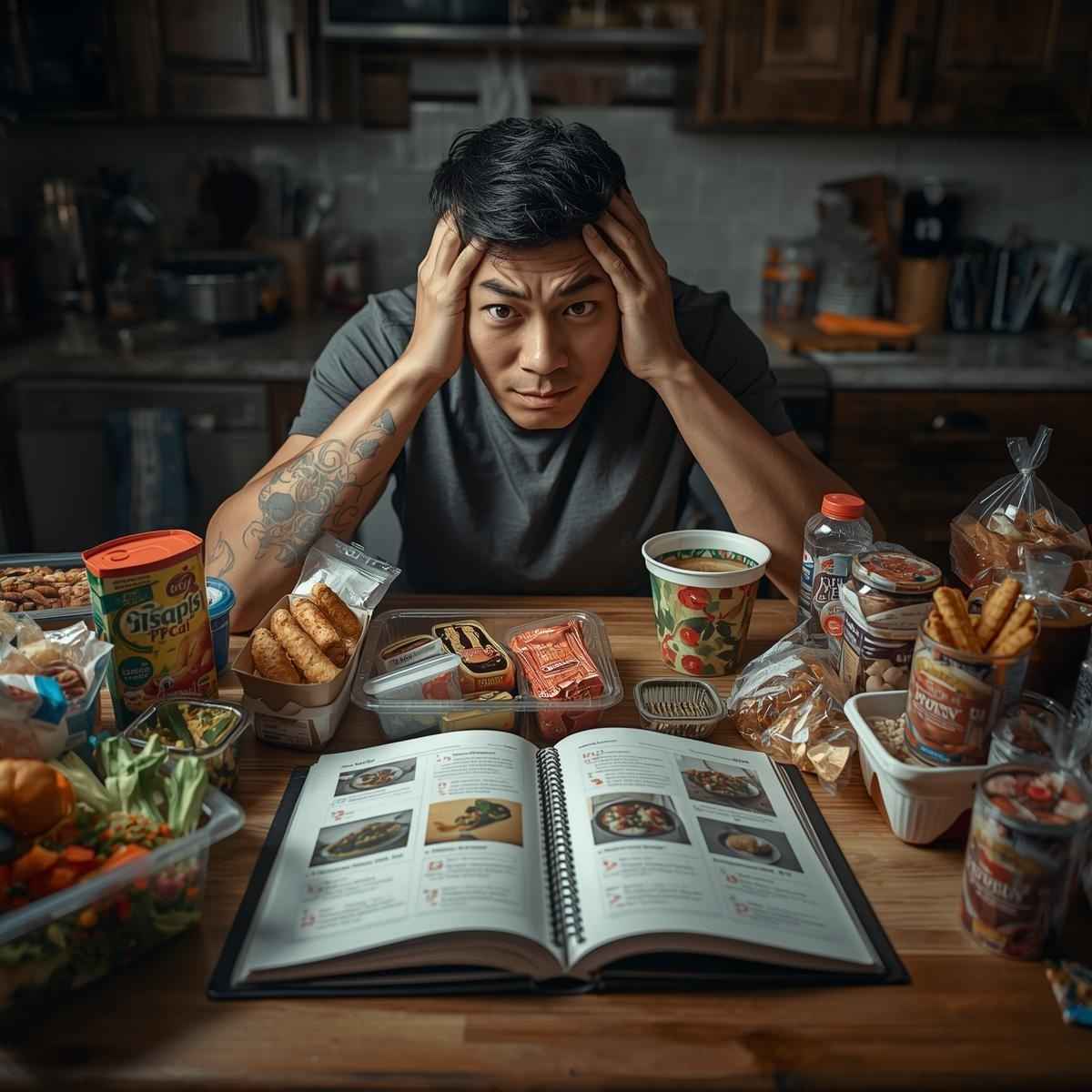
Meal planning is a very important tool in maintaining a healthy diet and lifestyle. Although, there are some pitfalls that are easy to fall into and that can ruin your best intentions. It’s so essential to be aware of these common mistakes because falling into them can lead to unhealthy eating habits, frustration, and even wasted time and money. These are five of the most common meal planning errors that can cause unhealthy eating habits
Mistake 1: No Defined Meal Plan
Among the biggest errors that you can make in regards to meal planning is the lack of a clear plan. Without a plan, you will be tempted to use convenience foods or fast food, which are usually high in calories, sugar, and unhealthy fats. Failure to plan may also result in missing meals, which may cause overeating at a later time.
A clear meal plan is one where you determine what you will eat every day, breakfast, lunch, dinner and snacks. This does not need to be too strict; it is possible to introduce flexibility to cover days when things change. The trick is to know what to expect in advance so you are less likely to be tempted by unhealthy, impulsive choices.
An example is, when you know you will be out all day running errands, pack a healthy snack such as nuts or fresh fruit rather than going to a vending machine.
A plan also helps you to have a balanced intake of nutrients in a week. Planning ahead also makes it more likely that you will incorporate a wide range of foods across the food groups, so that you get the nutrients you need without the pitfall of eating only processed foods.
Mistake 2: Not Prepping Ingredients Ahead
The other fatal error is not preparing ingredients beforehand. Meal prepping is not all about cooking a lot of meals on Sunday; it is about making wise, time-saving choices that keep you on the path of healthy eating. Without prepared ingredients at the ready, you may be tempted to turn to fast, unhealthy foods.
Prepping ingredients may include washing vegetables, cutting fruits, marinating proteins, or even cooking some of the components of your meals in advance.
As an example, when you cut a lot of vegetables, you can use them during the week in different meals. The same goes with cooking a big batch of brown rice or quinoa on the weekend so you can save time during the week and have a healthy base to many meals.
This not only makes your cooking process more efficient, but it also helps you avoid the temptation to order takeout or make unhealthy choices.
By preparing ingredients in advance, you are already on the path to success and it is easier to adhere to your meal plan. Also, preparing food can be cost-effective because you will not waste food and will not have to buy convenience foods.
To begin with, you should allocate a particular day of the week (such as Sunday) to prepare your meals. Do things that will make your week easier like chopping up vegetables, cooking grains, or dividing snacks. That way, you will not feel overwhelmed when you come home after a long day and are more likely to follow your meal plan.
Mistake 3: Ignoring Portion Sizes
The most frequent trap when it comes to meal planning is the lack of attention to the portion sizes. Although it is tempting to focus on the fun of making meals that are visually and gastronomically appealing, neglecting portion control may result in poor eating habits and possible weight gain. Learning and applying proper portion sizes is essential to a balanced diet and making sure that you are getting your nutritional requirements without going overboard.
Why Portion Control is Important:
Portion control is the act of controlling the quantity of food intake at a meal or snack. It is necessary since it helps to avoid overeating and makes sure that you are taking the necessary amount of calories and nutrients required by your body.
When the portions are excessive, it can cause over consumption of calories, which can cause weight gain and other health problems including diabetes, heart disease, and high blood pressure.
Myths about Portion Sizes:
Portion control is one of the primary issues that people have because of the misconceptions surrounding what a proper serving size is. Most people think that when food is attractive, it should be the right portion. This is however not the case. Restaurant servings, such as those in a restaurant, are often much larger than the recommended serving sizes, and the diner may not be able to judge how much to eat.
The other myth is that by increasing the amount of fruits and vegetables you can eat more in general. Although it is true that increasing the number of plant-based foods in your diet is good, even healthy foods should be taken in moderation so as to avoid excessive calories.
Better Portion Control Strategies:
To control the portion sizes in your meal planning, the following strategies may be helpful:
1. Use Measuring Tools: Purchase measuring cups, spoons and scales to measure your food portions accurately. This can assist you in knowing the amount of food you are actually consuming and make changes accordingly.
2. Visual Cues: Use visual cues to estimate portion sizes. An example is that a portion of protein should be about the size of your palm and a portion of grains could be about half a cup or the size of a tennis ball.
3. The plate method is an easy method to separate your plate into sections of various food groups. Separate your plate into half non-starchy vegetables, a quarter lean proteins, and a quarter whole grains or starchy vegetables.
4. Mindful Eating: Eat mindfully by paying attention to the taste, texture, and sensation of your food. This can assist you to eat more slowly and know when you are full to avoid overeating.
5. Plan Ahead: Plan your meals in advance so you can pre-portion snacks and meals and are less likely to overeat when you are busy.
By incorporating these tips into your meal planning, you will be able to control your portion sizes and lead a healthier life.
Mistake 4: Failure to Consider Busy Schedules
Meal planning is commonly regarded as a method to simplify your everyday life and make sure that you have healthy meals at hand all the time. Nevertheless, the failure to consider the unpredictability of a busy schedule is one of the greatest obstacles to effective meal planning.
No matter what you have going on in your life, whether it is work, family, or extracurricular activities, not planning around these things can easily sabotage even the most well-laid plans.
Here is why it is important to take your schedule into account when planning meals and how you can address this issue.
The Effect of a Busy Schedule: A busy lifestyle can have a major impact on your capability to adhere to your meal plans. Hectic mornings, busy days, and late nights do not leave much room to prepare meals thoughtfully.
Unless you have a plan that fits your busy lifestyle, you may end up grabbing unhealthy food such as fast food or takeout. In the long-term, it may result in unhealthy eating habits, dietary deficiencies, and even stress-related health problems.
Common Challenges:
The following are some of the issues that come with a hectic schedule and the need to follow a meal plan:
1. Time Limitations: There is just not enough time to shop, prep, cook, and clean when you are already stretched thin.
2. Unpredictable Meal Times: Work meetings, travel or other unforeseen circumstances may cause you to miss meals or snack all day.
3. Loss of Energy: The busy schedule may leave you feeling tired and you may not be motivated to stick to your meal plans, especially when they involve a lot of work.
4. Stress and Mindfulness: The stressful pace may elevate the stress levels and make it more difficult to concentrate on mindful eating and fully enjoying your meals.
Success Strategies:
To overcome the obstacles of a busy schedule, the following strategies can be taken into consideration:
1. Flexible Meal Plans: Plan to do a lot of meal prep on certain days of the week, like Sundays. Cook in bulk foods that can be used in different recipes throughout the week, like chicken breasts, rice, and vegetables.
2. Batch Cooking: Prepare more than one serving of a meal at a time and freeze in individual-serving containers. This will help you to pick up a healthy option when you are on the go or heat up a meal in a short time when you are pressed.
3. Smart Snacking: Have healthy snacks on hand, like nuts, fruits or yogurt, so you don’t give in to less healthy options when you get hungry at an inconvenient time.
4. Technology Support: Use apps and tools that will make meal planning easier. These are able to give meal suggestions according to your schedule, grocery lists and reminders of prep times.
5. Simple Recipes: Select recipes that are not complex and do not involve a lot of cooking skills and ingredients. Salads, one-pot meals, and slow cooker recipes are great options when you are busy.
6. Delegation of Duties: Get family members or roommates to assist in preparing meals. Distributing the burden can help to make it easier to stick to a regular meal schedule.
5. Not Planning Snacks and Emergency Meals: A Formula to Eating Unhealthy Foods
Meal planning is a crucial element of a healthy diet and lifestyle. It keeps you on the right path in your nutritional plans, saves money, and minimizes food waste. Nevertheless, there are two important things that many meal planners do not take into account: snacks and emergency meals.
This supervision may result in poor eating habits, particularly when hunger sets in between meals or when one is caught in some unforeseen circumstances.
The Significance of Snack Planning:
Snacks contribute a lot to your daily nutrition intake. They can assist in controlling the levels of hunger, give lasting energy and even aid in weight management.
Nevertheless, when there is no plan, individuals tend to use unhealthy snack choices such as chips, candy, or sugary beverages, which undermine their dietary intentions.
When you do not prepare healthy snacks, you are likely to succumb to the temptation of convenience foods that are rich in sugar, salt and unhealthy fats.
Such short-term solutions may be able to quench the thirst of the moment but they do not provide the nutrients that are needed to maintain long-term health. Moreover, such snacks may cause overeating and poor food choices in the rest of the day.
Designing a Snack Menu:
To prevent this trap, it is necessary to develop a snack menu in addition to the usual meal plans. Include a mix of healthy foods like fresh fruits, nuts, yogurt, and whole-grain crackers. Divide them into single-serving portions so they can be ready to grab and go. By so doing, you will always have a healthy snack to eat and you will not be tempted to eat something less healthy.
Emergency Meal Preparation:
Life is not predictable and plans can change anytime. An emergency meal plan can come in handy when you have to work late or have an unexpected social event and you do not want to eat unhealthy food. Lacking a backup plan, you may find yourself eating fast food or going without meals, which will result in poor nutrition and possible overeating in the future.
Emergency food must be easy to cook, nutritious and simple. Consider such options as pre-cooked chicken breasts, canned soups (low-sodium ones), or whole-grain wraps with hummus and vegetables.
Such meals can be kept in the pantry or fridge and can be heated up within a short time when they are required. These options are available to you so that you can continue to eat healthy even when you are busy.
Finding a Balance between Convenience and Nutrition:
The most frequent error is to focus on convenience rather than nutrition when it comes to snacks and emergency meals. Although it is easy to use processed, pre-packaged snacks, they are usually not as nutritious as whole foods. Rather than that, aim to strike the right balance between convenience and nutrition.
An example is that rather than purchasing pre-packaged granola bars, which contain a lot of sugar, make your own using oats, nuts, and dried fruits.
Likewise, canned soups are a godsend, but select those with few ingredients and no added sugars or preservatives. With smarter choices, you can have the convenience of pre-prepared meals and still not jeopardize your health.
One of the worst things you can do in your meal planning is to fail to plan snacks and emergency meals. By ignoring these factors, you are inviting poor nutrition and the possibility of backtracking in your general wellness objectives.
Adding a variety of healthy snacks and making easy yet healthy emergency meals will not only keep you on track but also enable you to take life uncertainties with grace and good health. As it was mentioned, the most important thing in meal planning is to prepare it well and to think it through, taking into consideration all your dietary requirements.

![19[1]](https://dailyment.com/wp-content/uploads/2026/02/191-768x768.png)